

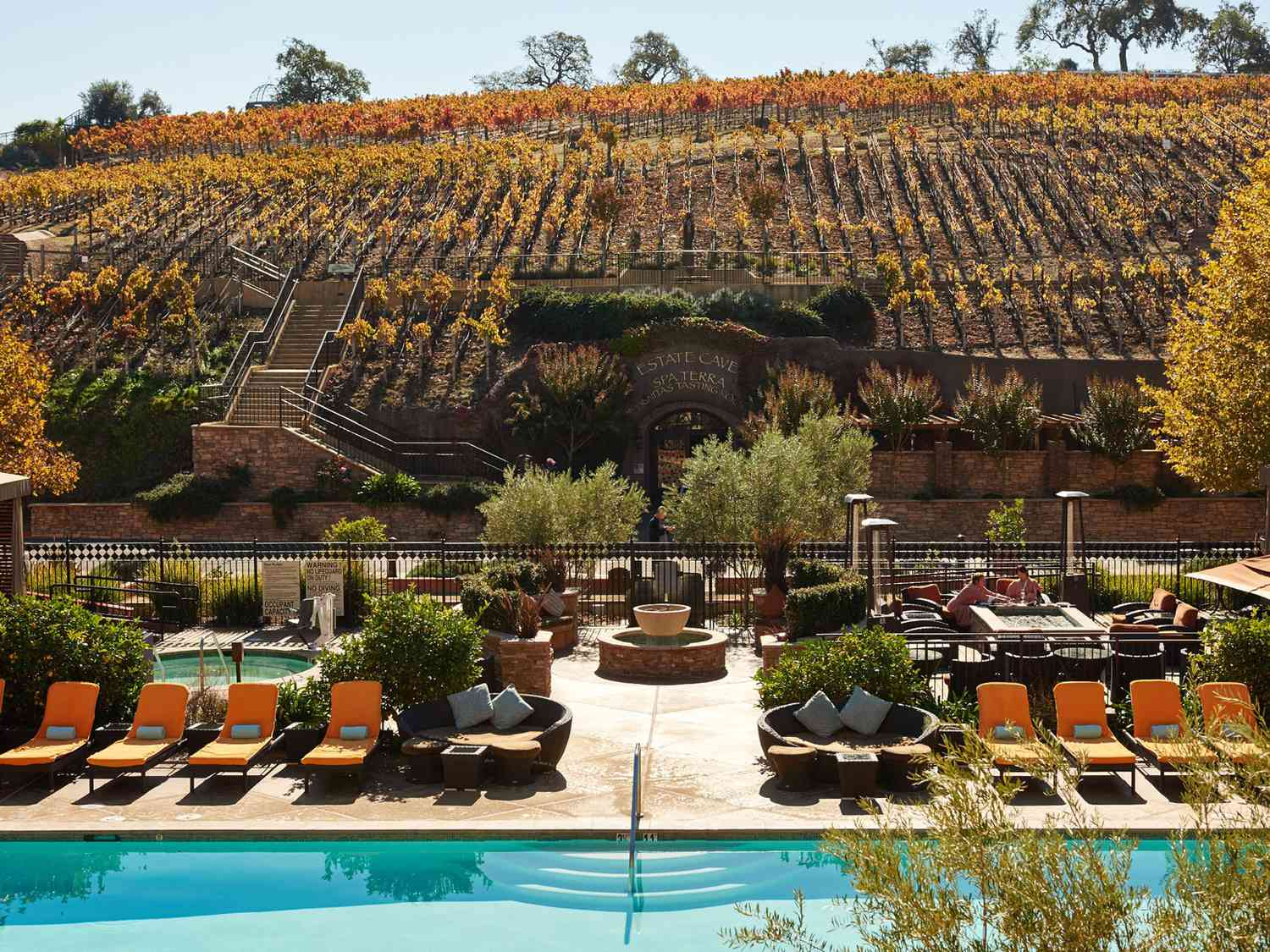
Harvest season gives Napa Valley a distinct atmosphere. Vineyards move through an important period in the growing year, tasting rooms welcome visitors, and restaurants highlight seasonal ingredients. It is a compelling time to visit, but it also brings increased demand and activity across the valley. A successful trip depends on planning the practical details while leaving enough room to enjoy each experience.
Rather than filling the day with consecutive tastings, choose two winery experiences that complement one another. Pair them with a comfortable place to stay and one memorable meal. This approach creates a more relaxed visit and makes it easier to learn about the wines, the vineyards, and the work taking place during harvest.
Choose two winery experiences
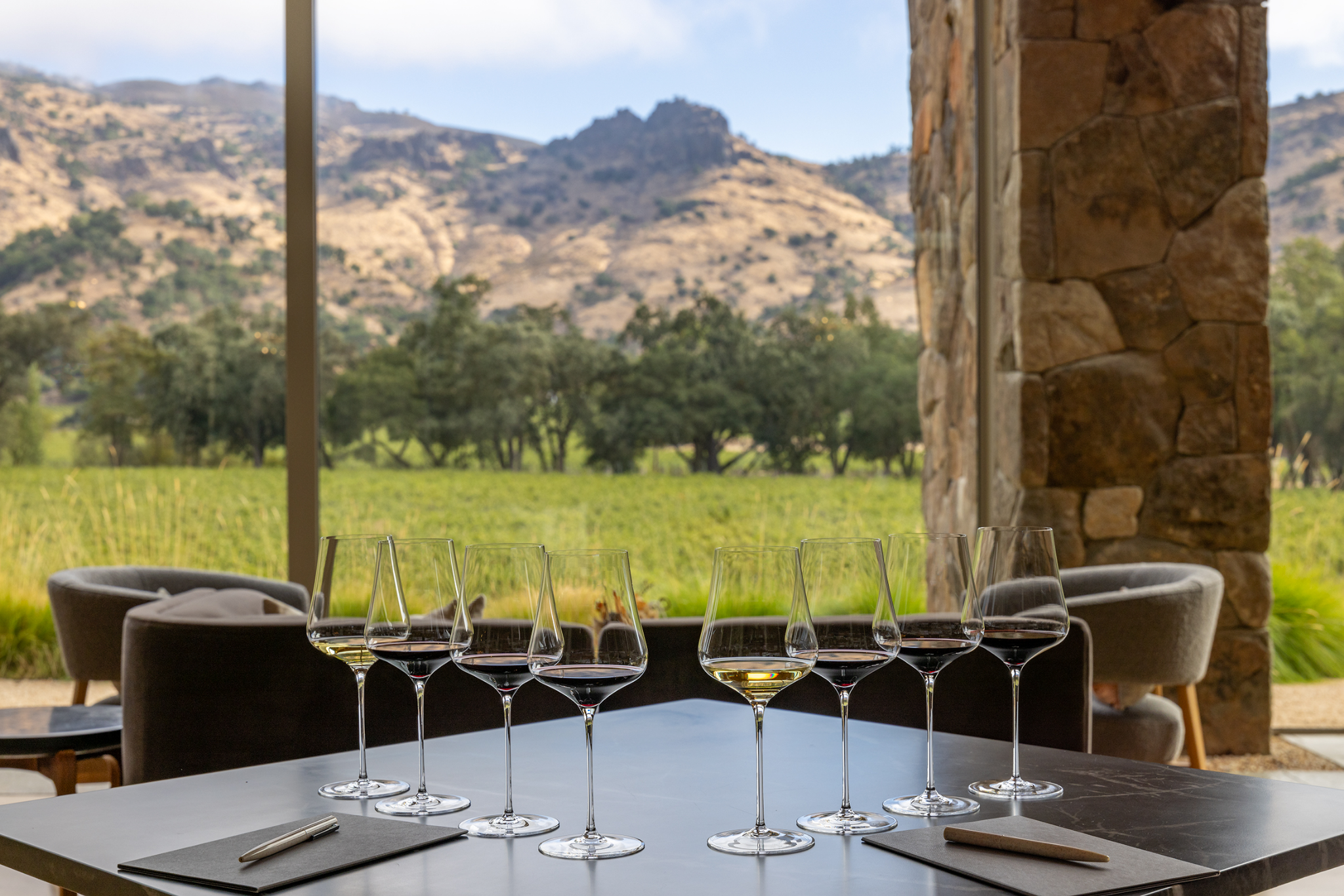
Select wineries based on the experience you want, not just the number of names you recognize. One visit might offer a guided tasting focused on the wines, while another may emphasize the vineyard setting, a structured educational experience, or a particular style of wine.
Review each winery’s tasting format, reservation requirements, duration, cost, accessibility, and current policies. Harvest operations may affect access to certain areas or the availability of specific experiences, so ask what visitors can expect on the planned date. Do not assume that walk-in tastings will be available during a busy period.
Book directly through the winery or its official reservation system. Confirm the arrival time, cancellation terms, group-size restrictions, and whether food is included. Leave a realistic buffer between appointments so a delayed tasting or a longer conversation does not disrupt the rest of the day.
Choose a hotel that fits the itinerary
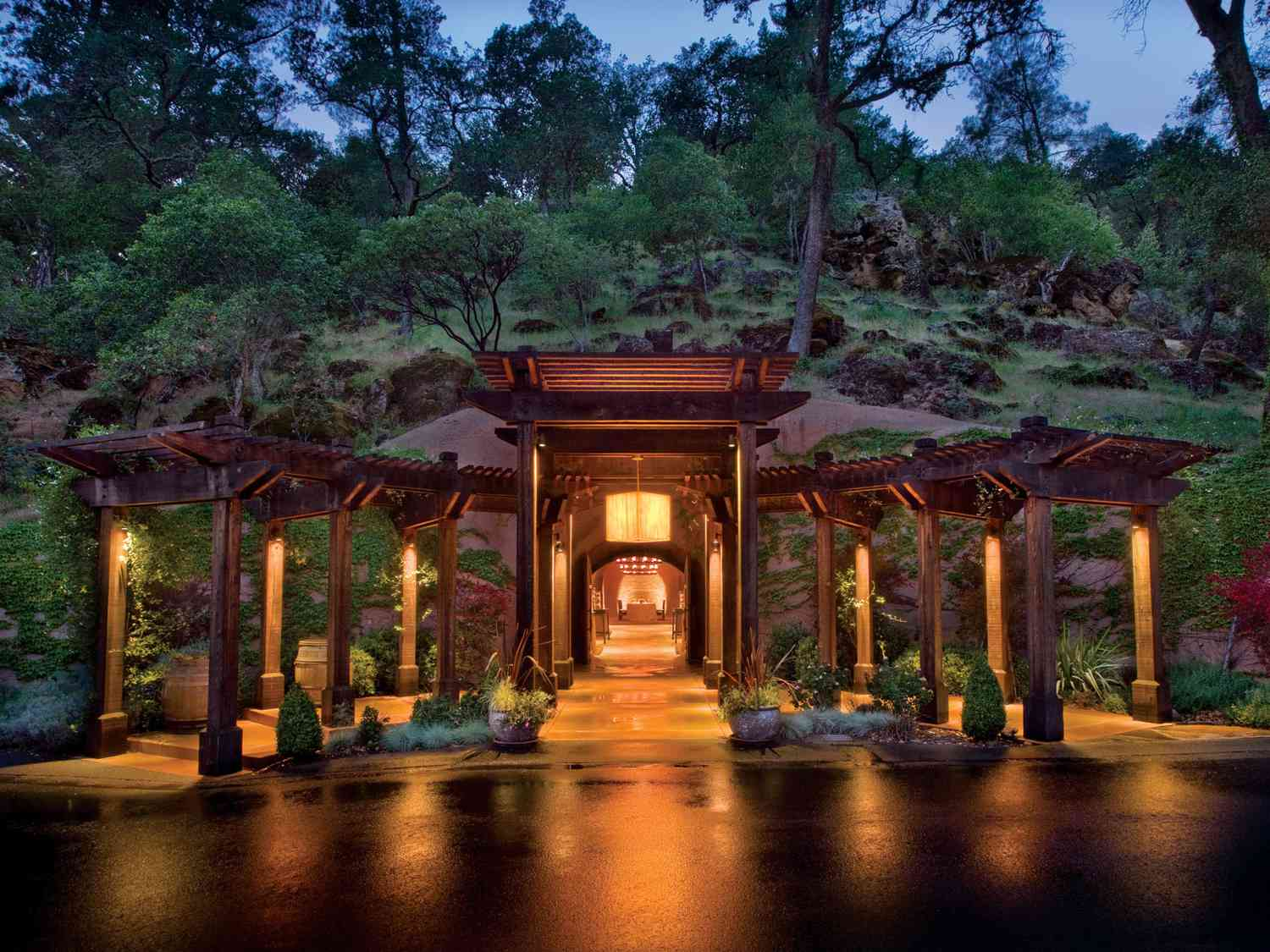
Napa Valley includes several towns and a broad collection of wineries. When selecting accommodation, consider the locations of the planned visits and the restaurant you hope to book for dinner. A hotel that looks central on a map may not be convenient for every winery, so review the actual route before finalizing the stay.
Compare room rates, amenities, cancellation policies, parking, and transportation options. Decide whether you prefer to remain in one town or stay closer to the experiences that matter most. The best base is one that makes the day easier to manage and allows you to return comfortably after an evening out.
Reserve a meal that suits the day
Dining can be a highlight of a Napa Valley trip, particularly when a restaurant’s menu reflects the season. Choose a meal that suits the group’s preferences and the pace of the day. If the tasting schedule is already full, a relaxed dinner may be more appealing than another appointment that requires careful timing.
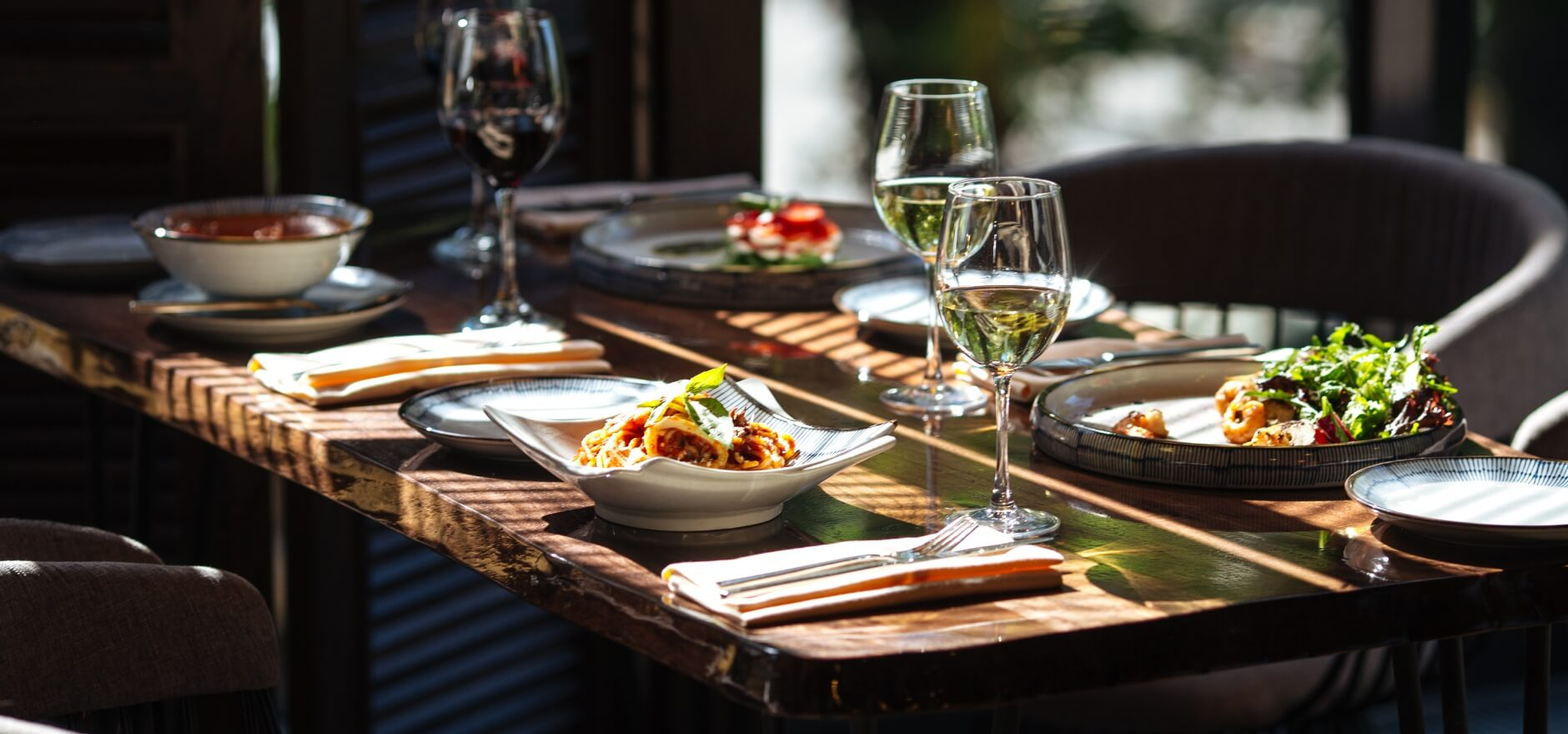
Check the current menu, reservation availability, and any cancellation or deposit policies directly with the restaurant. During harvest, popular dining times may be limited, so reserve ahead. If a particular meal is important, build the rest of the itinerary around it rather than trying to squeeze it in at the end.
Plan transportation before the first tasting
If the itinerary includes wine tastings, arrange a designated driver, private transportation, or a reputable tour operator before the day begins. Do not rely on being able to arrange transportation at the last minute between rural locations. Confirm pickup locations, timing, costs, and cancellation terms in advance.
A thoughtful plan also respects the wineries’ work. Harvest is a production period, not simply a backdrop for visitors. Equipment, staff activity, and production schedules may affect where guests can go and what they can see. Follow instructions, arrive on time, and respect restricted areas.

Make the experience the priority
Two carefully selected tastings, a comfortable hotel, and one memorable meal can provide a fuller experience than an itinerary packed with stops. Harvest season rewards preparation, but the day should still leave room to enjoy the setting and learn something about the wines.
Before publication: Select and verify specific wineries, tasting formats, prices, transportation options, and restaurant recommendations for the intended travel dates. Confirm which experiences are available during harvest and do not promise access to production areas without direct confirmation.


